
























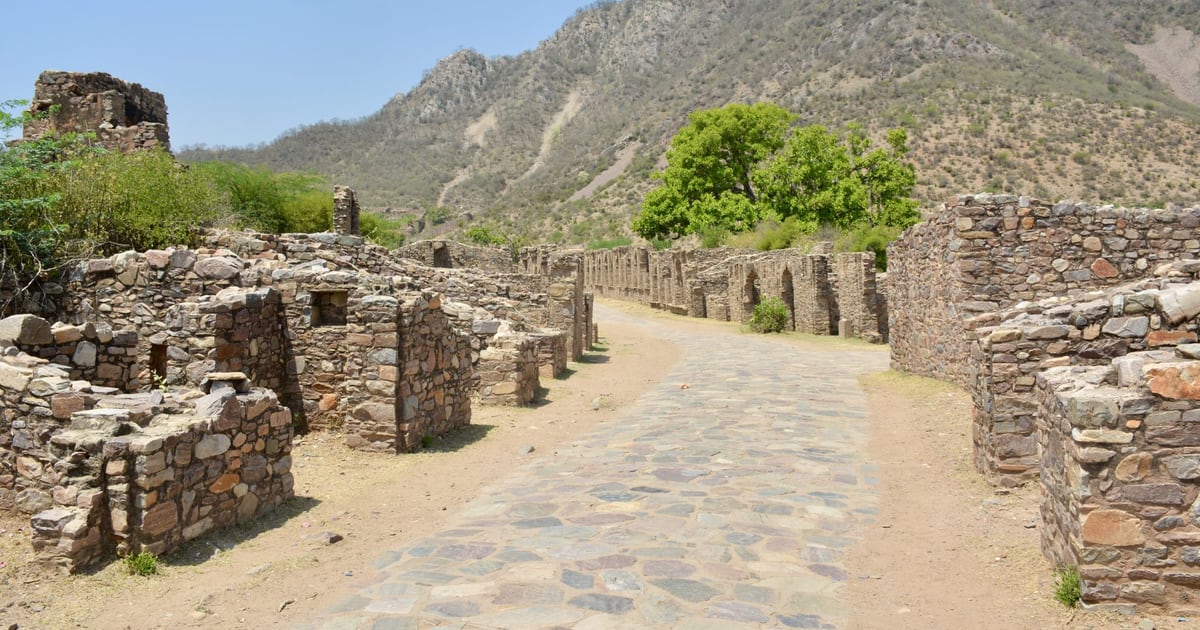
The old villages of the Bay of Kotor and the hills behind the coast are full of stone houses with no roof and a fig tree growing through the floor, and every one of them has been looked at by a buyer who imagined it restored. A few of those buyers now own a beautiful house in a place where no new plot could be bought. Many more gave up after a year of chasing heirs or learned, after buying, that the house could not be rebuilt the way they wanted. This guide sets out the checks that put a buyer in the first group.
Who actually owns the ruin?
A ruin is usually old, and old property in Montenegro has often passed through generations without the estate being formally divided. The cadastre may show a person who died decades ago, or a list of co-owners with fractions, some living abroad, some untraceable. Buying the ruin means buying every fraction, or waiting for the heirs to complete an inheritance procedure that the buyer cannot run for them.
This is the check that decides most ruin purchases, and we run it first. A ruin with a single living owner on the cadastral extract is a purchase; a ruin with eleven co-owners and two unresolved estates is a project with no end date. The title search described on our why Montenegro page is the same for a ruin as for a plot; it just finds more.
Is the ruin recorded as a building?
The cadastre records the parcel and, where one is registered, the building on it. A ruin that is recorded as a building, with a footprint, has a stronger position under the planning rules than a parcel of stones that the cadastre treats as bare land. The recorded building supports the case that the footprint may be rebuilt, and in some zones the rules favour the restoration of existing buildings over new construction.
A ruin with no recorded building is a plot, and the planning conditions for a plot apply. That can be fine, where the zone allows building, and fatal, where it does not. The guide to the urbanistic technical conditions explains how to find out before buying.
What do the planning rules allow on the old footprint?
Outside protected settlements, the ordinary rules apply: coverage, height, setbacks and use, as stated in the planning conditions for the parcel. The old footprint may already sit inside the setbacks, closer to the boundary or the road than a new building could, and the conditions state whether rebuilding on it is permitted. Where it is, the ruin offers a position that a new plot could not.
Inside protected settlements, such as the old villages along the bay, the rules prescribe the form, the materials, the roof pitch and covering, the window proportions and sometimes the colour of the shutters, and the heritage authority approves the design. A buyer who wants a glass box on a stone base should not buy in a protected village; a buyer who wants a stone house done well will find the rules are on their side, because they also bind the neighbours.
Can the house be extended, or a pool added?
Outside protected settlements, extensions follow the ordinary rules, and the old footprint is a starting point. A buyer with a small ruin on a large parcel may be able to add a wing or a second building if coverage and setbacks allow. Inside protected settlements additions are limited, pools are often restricted to positions out of sight of the water, and the authority has a view on terraces and parking as well.
We read the conditions and, where relevant, the heritage rules before a client makes an offer, and we show what the finished house could be on the survey. Our guide to sea view and setback rules covers the rules on height and distance that apply to rebuilt houses as they do to new ones.
How is the ruin reached, and by whom?
Old villages were built for people on foot and donkeys, and many ruins sit on a stepped path with no vehicle access. That is part of the charm and part of the cost: every stone, bag of cement and window frame is carried in by hand or on a small machine, and the price of the works rises accordingly. A ruin with vehicle access to the gate is a different project from one three hundred steps above the road.
The legal side of access matters as much as the physical. The path may cross other parcels, and the right to use it must be in the title or secured by an easement. Our guide to access roads and easements explains how that is checked and settled.
What does rebuilding actually cost?
More than buyers expect. A ruin keeps its walls, sometimes, and little else. The rebuilding typically needs new foundations or underpinning, a new roof structure and covering, floors, insulation, a damp solution for walls that stand on rock, new services from the gate, windows and doors to the prescribed pattern, and a stone finish done by a mason who knows the local style. In a protected settlement the materials are prescribed and cost more.
The result is a budget that often matches a new build of the same size, with the purchase price of the ruin on top. The buyer is paying for a position and a character that cannot be bought new, and that is a good reason to buy, provided it is the reason. We give each client a rebuilding estimate from a builder who has done this work before the offer, and our guide to building costs per square metre sets out how that estimate is built.
What is the sequence for a ruin?
Title search and heirs first, because without a clean purchase nothing else matters. Then the cadastral status of the building, the planning conditions and, in a protected settlement, the heritage authority's conditions. Then the survey, the access, the utilities and a builder's estimate. Then the offer, priced on all of it.
The order is the same as for a plot with the heirs and the heritage step added, and the custom build service runs the chain for ruins as it does for new villas. Clients who follow it buy a ruin that becomes a house; clients who buy on the view of the fig tree often own a fig tree for a long time.
Which ruins are worth pursuing?
Those with a clean or completable title, a recorded building, planning conditions that allow the rebuild the buyer wants, a legal and workable access, and a rebuilding estimate the buyer is content with. They are rarer than ruins, but they exist in every old settlement, and they are the properties our clients are proudest of.
If you have seen one, send us the parcel and a photograph and we will tell you within days whether the title and the planning support the house you have in mind. We also list ruins and stone houses that have passed these checks among our listings when we find them.